EDUCATIONAL VALUE
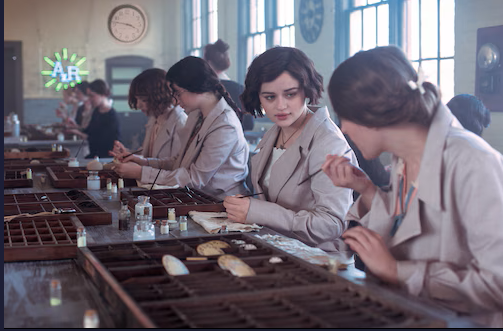
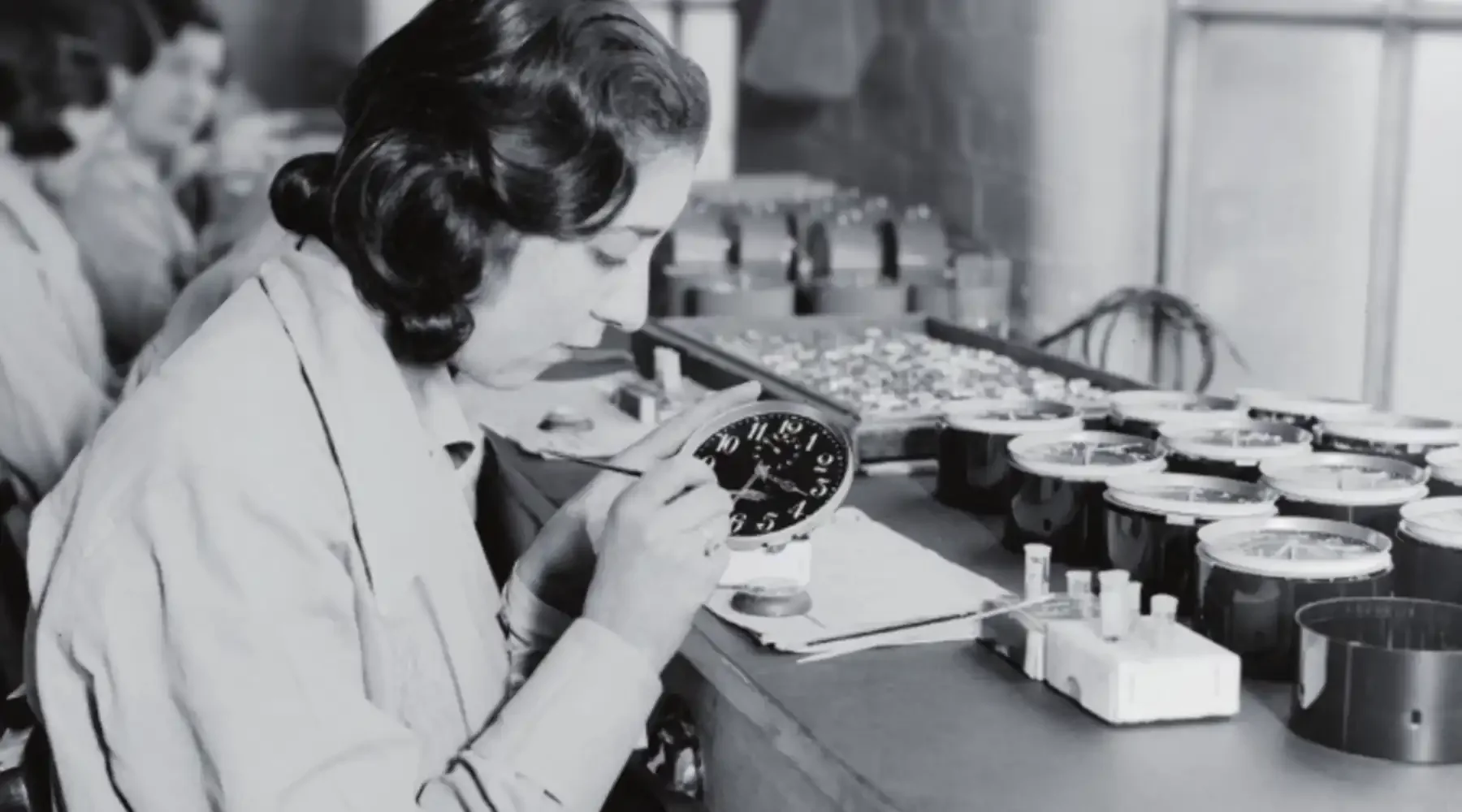
The film Radium Girls shows how a new technology that once seemed exciting and modern radium‑based glow‑in‑the‑dark paint ended up causing serious harm to the workers who used it. In the movie, the paint is treated as a major scientific breakthrough because it allowed watch dials to shine in the dark, which was especially useful for soldiers and everyday consumers. However, the film also makes it clear that this “innovation” depended on unsafe work practices. The young women painting the dials were told to put the radium‑covered brushes in their mouths to make a fine point, and supervisors insisted the paint was harmless. Historical records show that companies really did reassure workers this way, even though evidence of radium’s dangers was already starting to appear.
The movie also highlights how the excitement around radium made people overlook its risks. Since radium had only been discovered a few decades earlier, the public was fascinated by its glow and believed it had health benefits. During the 1910s and 1920s, radium was added to all kinds of products, cosmetics, medicines, and even household items because people thought it was a miracle substance. This widespread enthusiasm made it easier for companies to ignore early warning signs and harder for workers to question what they were being exposed to. The film’s portrayal matches historical accounts showing that radium’s popularity blinded many people to its dangers until the dial painters’ illnesses forced the truth into the public.
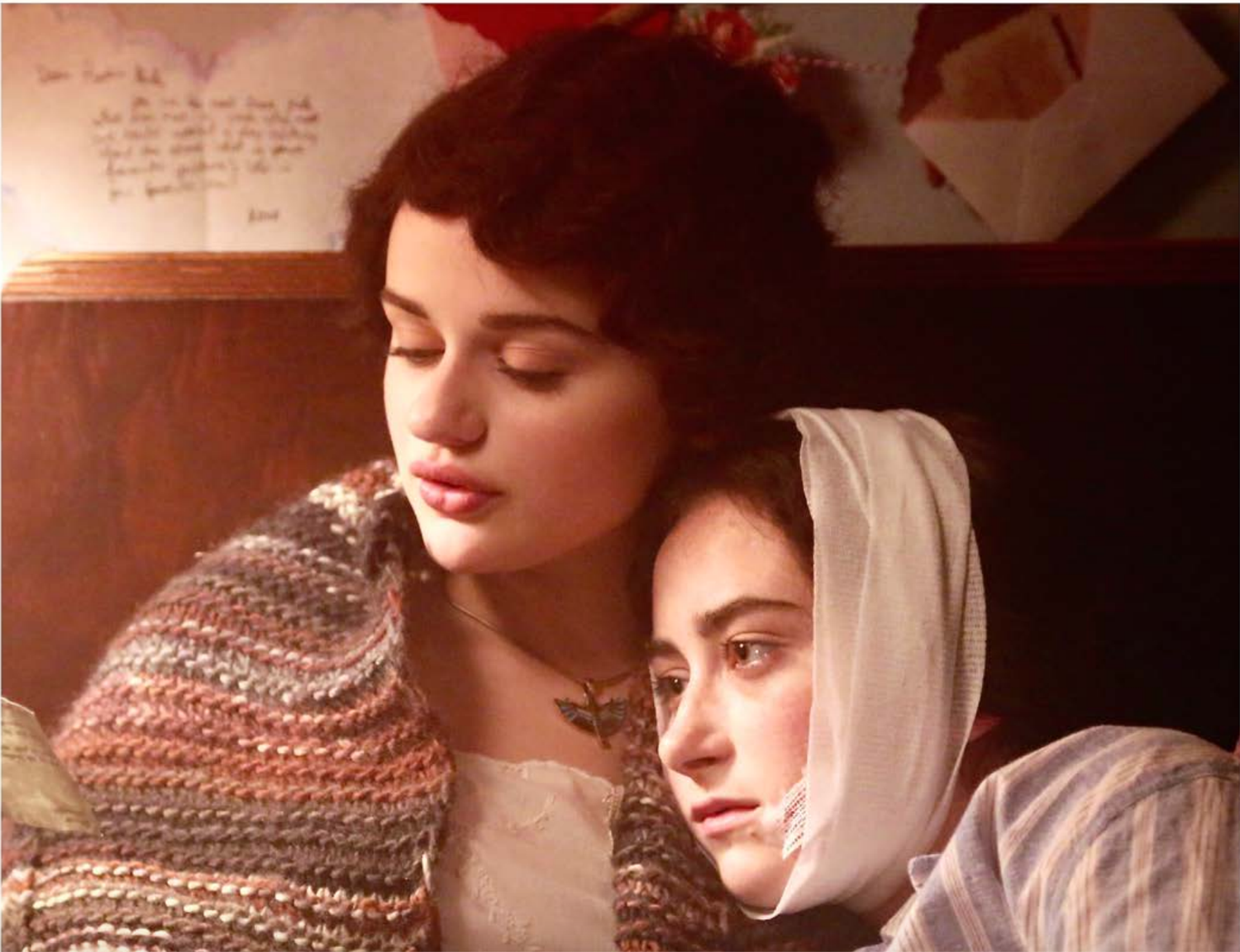
As the story develops, the film shows how new technology can change the workplace in ways that put workers at risk. Dial‑painting was advertised as a modern, artistic job that gave young women independence and good pay. But the same technology that created these opportunities also exposed them to radiation poisoning. Historical sources confirm that factories in several states trained workers to ingest radium every day because it made the painting process faster and cheaper. The movie’s depiction of the women’s symptoms jaw problems, anemia, and other serious health issues reflects what happened to many real dial painters.
In the end, Radium Girls connects technological progress to the fight for workers’ rights. The women’s struggle to be heard and compensated shows how new technologies can advance faster than safety regulations. Their legal battles helped change workplace safety laws in the United States and forced companies to take responsibility for the chemicals they used. Historians agree that the Radium Girls’ case became a major turning point in occupational health, proving that innovation must be balanced with protection for the people who make it possible.
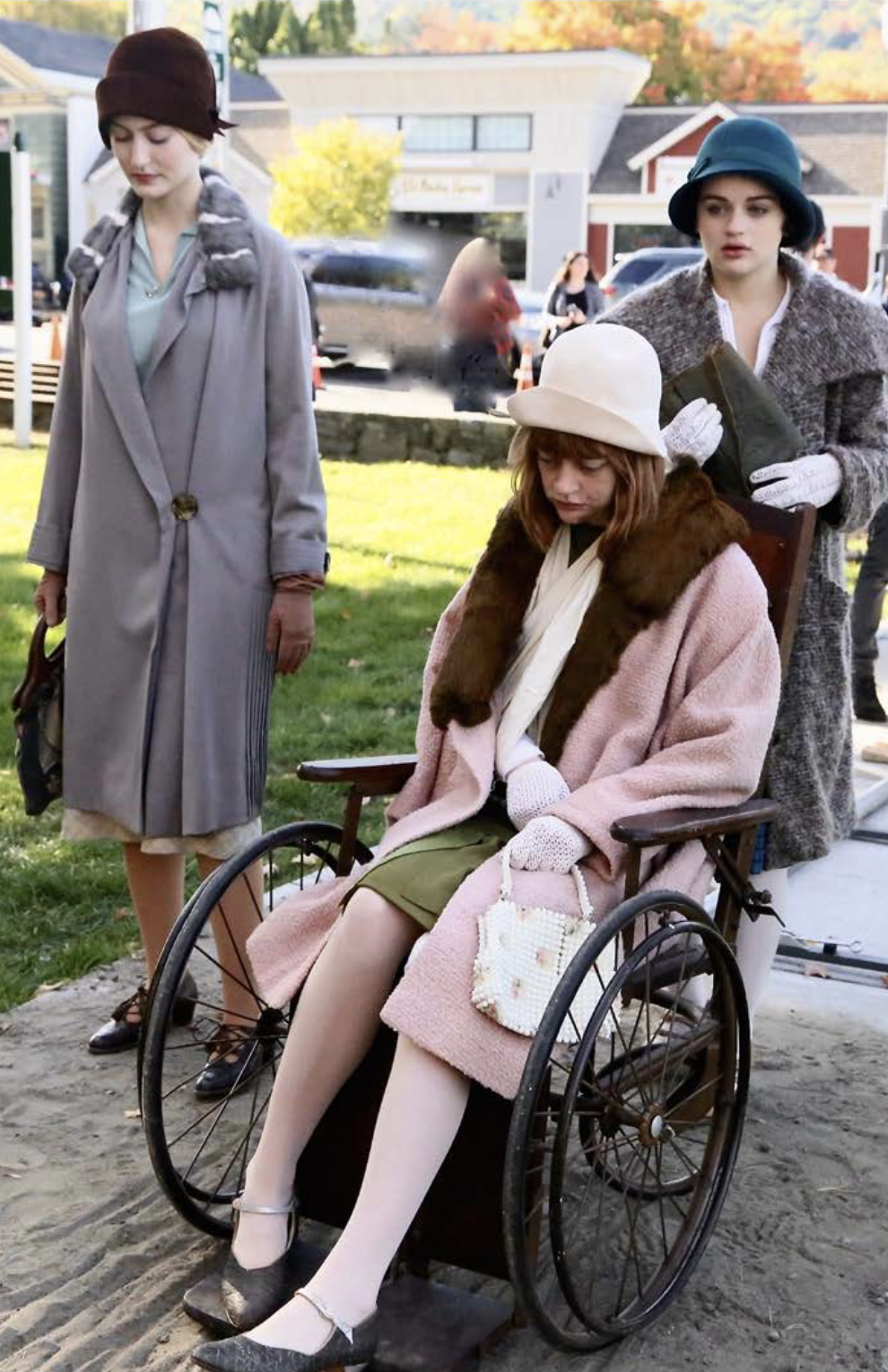
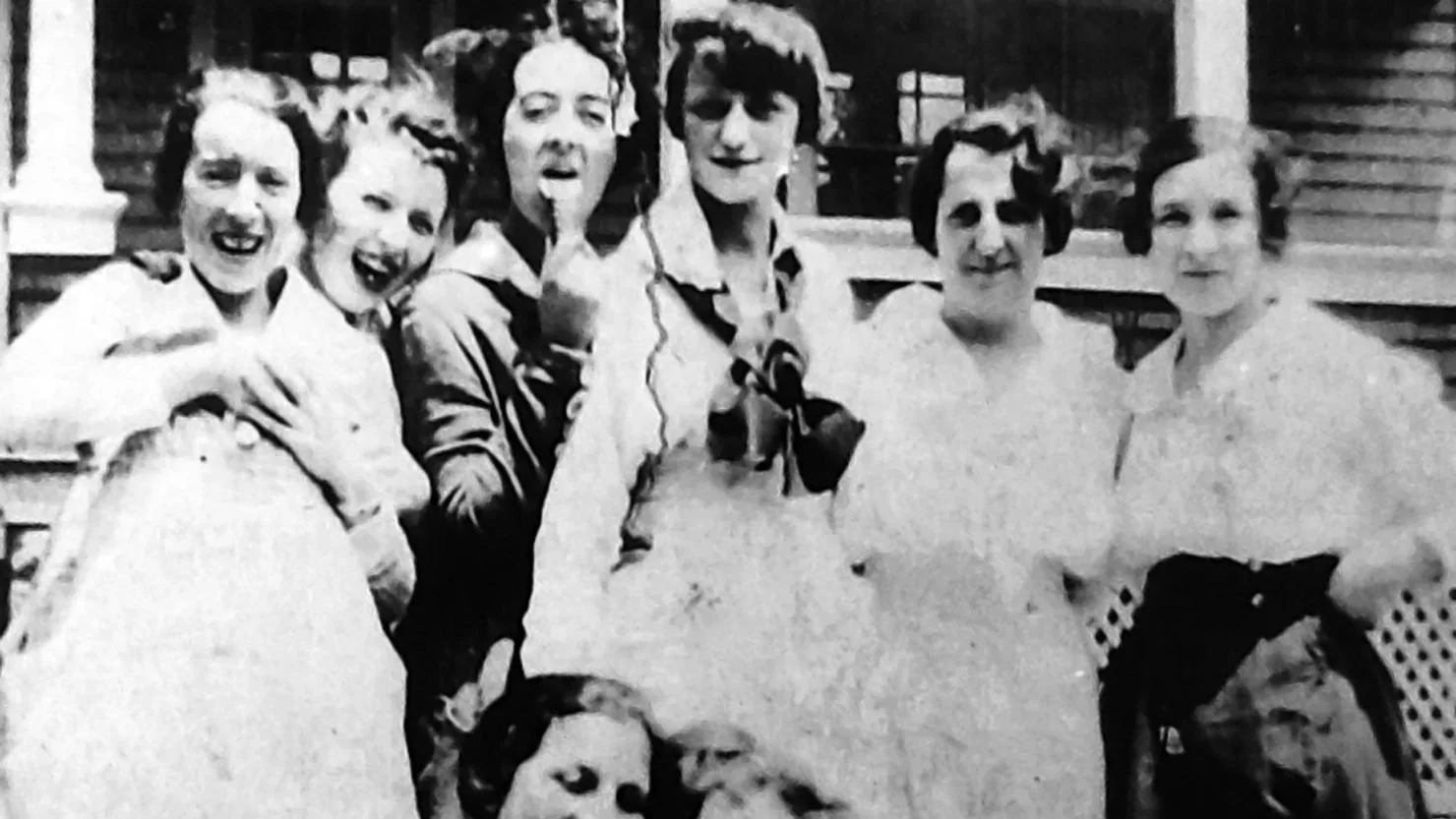
There were a few photos and videos I added highlighting the real individuals who worked in the radium industry and including them helps connect the historical events to the film. By showing authentic images of the Radium Girls and the conditions they faced, viewers can better understand how the film reflects the true experiences of the women whose lives were affected by radium exposure.
Sources: The first photo is from 'Radium Girls' Review: Well-Meant but Pallid Radium Scandal Drama, The second photo is from Lydia Dean Pilcher Shares On The True Story Of Radium Girls [Exclusive], The third photo is from, 'Radium Girls' feels thin — The Movie Cricket, The fourth image is from Radium Girls - Wikipedia, The fifth photo is from How the Radium Girls Forced Workplace Safety Reforms | HISTORY, The two YouTube videos are from Radium Girls Documentary, sixth photo is from When Undark Was Lethal: A New Look at the 'Radium Girls' the paragraphs are from my insights on watching the film and reading up on the history of the Radium Girls.